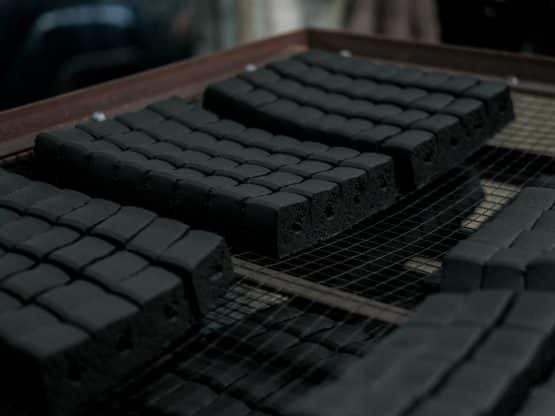
Coconut shell charcoal briquette offers a clean-burning, eco-friendly, and renewable fuel option. Many people use it for cooking, grilling, and heating. Instead of throwing away coconut shells, you can turn them into high-quality briquettes. These cube-shaped briquettes burn evenly, produce minimal smoke, and deliver high heat.
Making cube-shaped briquettes involves several steps. You need to choose the right materials, carbonize them, grind and mix the powder with a binder, shape the mixture in molds, and then dry the final product. If you follow each step carefully, you can create strong, long-burning briquettes that perform well and are safe to use.
Making Cube Briquettes
1. Prepare the Raw Material (Charcoal)
- Choose the Biomass: Pick organic materials such as coconut shells, hardwood, rice husks, sawdust, or dried leaves. Coconut shells work best because they have high carbon content and produce low ash.
- Carbonize the Material: Burn the biomass in a low-oxygen chamber or a kiln to turn it into charcoal. This process removes moisture and unwanted gases while preserving energy content.
- Grind and Sieve the Charcoal: After it cools down, crush the charcoal into a fine powder using a grinde. Then, sift the powder through a mesh screen to ensure all particles are even. Even sizing improves the briquettes’ structural integrity and ensures consistent burning.
2. Mix the Powder with a Binder
- Make the Binder: Use a natural binder like tapioca flour, cassava starch, or cornstarch. Mix the binder with water and heat it gently until it forms a thick, sticky paste.
- Combine Binder and Charcoal: Mix the charcoal powder and binder thoroughly in a large container. You can use about 5–10% binder compared to the weight of the charcoal. The texture should be mildly damp, allowing it to retain shape when squeezed.
3. Form the Briquettes
- Fill the Molds: Scoop the mixture into cube-shaped molds. You can use manual molds for small batches or hydraulic presses for larger production.
- Press the Briquettes: Apply firm pressure to compress the mixture into solid cubes. Strong compression helps reduce breakage and creates dense, slow-burning briquettes.
4. Dry the Briquettes
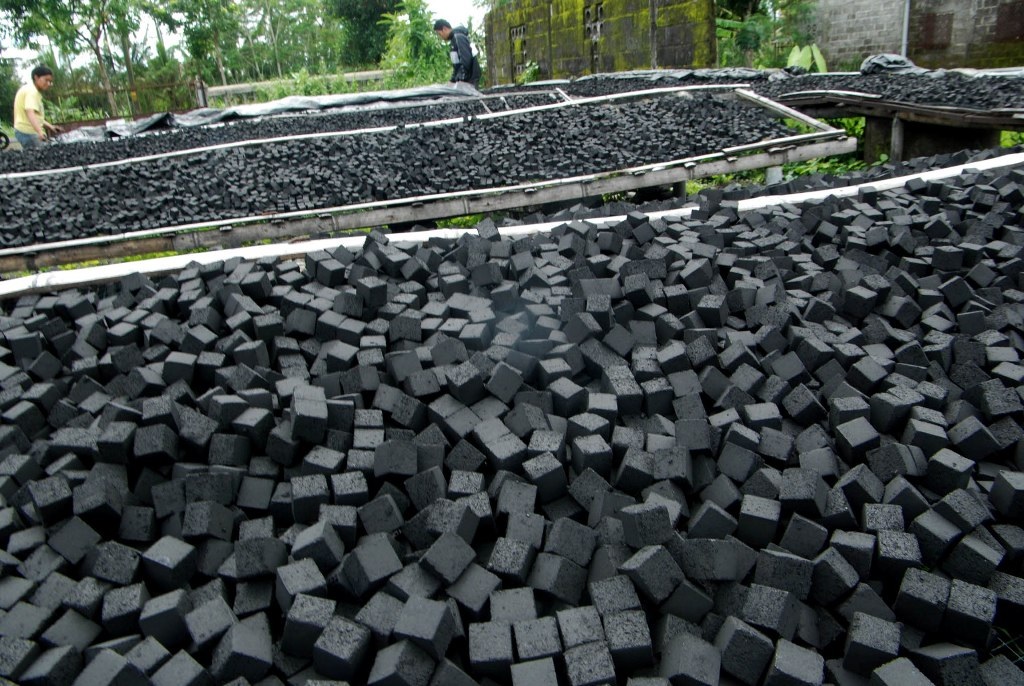
- Sun-Dry Them: Place the briquettes on a drying rack or tray under direct sunlight. Make sure air can flow around them to speed up the drying process.
- Use Mechanical Dryers (Optional): If you live in a humid area or want faster results, use an oven or charcoal dryer to remove moisture quickly.
- Check Dryness: Allow 2–7 days for the drying stage, depending on conditions. Fully dry briquettes should feel hard and break cleanly without crumbling.
5. Package and Store the Briquettes
- Pack the Briquettes: After drying, place the briquettes in plastic or moisture-resistant bags to protect them from humidity and damage.
- Label for Sale or Export: Add product labels that include weight, size, burning time, and instructions for use. Clear labeling helps with marketing and meets export requirements.
Conclusion
In summary, making cube-shaped briquettes is an efficient and sustainable way to turn biomass materials into a valuable fuel source. By following the proper steps—from preparing raw materials and binding agents to molding and drying—you can produce briquettes that are consistent in size, shape, and burning quality. This method not only helps reduce waste but also offers an eco-friendly alternative to conventional fuels, making it a practical solution for both household and commercial energy needs.