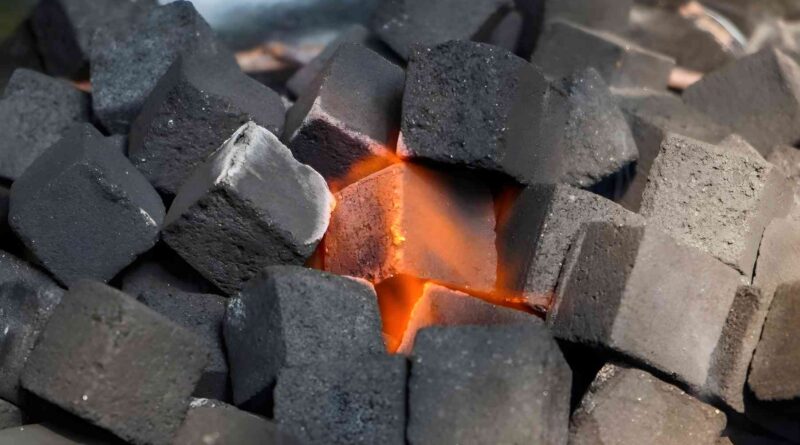
Briquettes Clean Energy Source, for Sustainable Development
Briquettes clean energy source, briquettes have emerged as a promising solution to address the growing demand for clean and sustainable energy sources worldwide.
Derived from renewable biomass materials such as agricultural residues, forestry waste, and organic by-products, briquettes offer numerous environmental, economic, and social benefits.
In this article, we explore the significance of briquettes as a clean energy source, their advantages, applications, and implications for sustainable development.
Briquettes Clean Energy Source
The Significance of Briquettes as a Clean Energy Source
Briquettes play a crucial role in the transition towards cleaner and more sustainable energy systems for several reasons:
1. Renewable Resource
Briquettes are made from renewable biomass materials, reducing reliance on finite fossil fuels and mitigating environmental degradation associated with their extraction and combustion.
2. Reduced Emissions
Compared to traditional solid fuels such as coal and firewood, briquettes produce lower emissions of greenhouse gases, particulate matter, and harmful pollutants, contributing to improved air quality and public health.
3. Waste Utilization
Briquette production utilizes agricultural residues, forestry waste, and organic by-products that would otherwise be discarded or burned, reducing waste generation, land pollution, and methane emissions from decomposition.
4. Energy Efficiency
Briquettes offer higher energy density, uniform combustion, and longer burn times compared to raw biomass materials, enhancing energy efficiency, thermal performance, and energy access for end-users.
Advantages of Briquettes as a Clean Energy Source
The adoption of briquettes as a clean energy source offers numerous advantages:
1. Sustainable Development
Briquette production promotes sustainable land management practices, rural livelihoods, and economic diversification, contributing to poverty alleviation, food security, and sustainable development goals.
2. Energy Access
Briquettes provide clean and affordable energy access to communities, particularly in rural and off-grid areas where access to modern fuels and electricity is limited, improving livelihoods and quality of life.
3. Versatility
Briquettes can be used for various applications, including cooking, heating, industrial processes, and electricity generation, offering a versatile and adaptable solution to diverse energy needs and contexts.
4. Market Opportunities
The growing demand for clean energy solutions presents market opportunities for briquette producers, entrepreneurs, and investors to capitalize on renewable energy markets and contribute to green economic growth.
Applications of Briquettes as a Clean Energy Source
Briquettes find application across a wide range of sectors and industries:
1. Household Cooking
Briquettes serve as a cleaner-burning alternative to traditional solid fuels such as firewood, charcoal, and kerosene for household cooking, reducing indoor air pollution and associated health risks.
2. Heating and Space Heating
Briquettes are used in stoves, furnaces, and boilers for space heating, water heating, and central heating systems in residential, commercial, and institutional buildings, providing warmth and comfort during colder seasons.
3. Industrial Processes
Briquettes are utilized as a fuel source in various industrial processes such as brick kilns, lime kilns, tea drying, and food processing, replacing fossil fuels and improving process efficiency and productivity.
4. Power Generation
Briquettes can be co-fired with coal or used in biomass power plants to generate electricity, contributing to decentralized energy production, grid stability, and renewable energy integration.
Implications for Sustainable Development
The widespread adoption of briquettes as a clean energy source has significant implications for sustainable development:
1. Environmental Sustainability
Briquette utilization reduces deforestation, land degradation, and carbon emissions associated with conventional fuel sources, supporting biodiversity conservation and climate change mitigation.
2. Social Equity
Access to clean and affordable energy services provided by briquettes enhances social equity, gender equality, and inclusive development by empowering marginalized communities and improving their resilience to energy poverty.
3. Economic Growth
The briquette industry creates employment opportunities, stimulates rural economies, and fosters entrepreneurship along the value chain, driving economic growth, income generation, and poverty reduction.
4. Resilience and Adaptation
Briquette utilization enhances energy security, resilience, and adaptation to climate change impacts, reducing vulnerability to energy price volatility, supply disruptions, and extreme weather events.
Conclusion
In conclusion, briquettes represent a clean, sustainable, and versatile energy source with significant potential to contribute to the global transition towards cleaner and more resilient energy systems.
By harnessing the power of renewable biomass resources, briquette production and utilization offer multiple benefits for the environment, economy, and society, aligning with the objectives of sustainable development and climate action.
As we continue to innovate, invest, and scale up briquette initiatives worldwide, it is imperative to prioritize policies, investments, and partnerships that support the widespread adoption and equitable distribution of briquettes as a key pillar of the clean energy transition.
Together, we can unlock the full potential of briquettes to build a more sustainable, inclusive, and prosperous future for all.
Learning about coconut briquette, you also have to know the contents of coconut briquettes. The contents of coconut briquettes are carbon, ash and volatile components.
Briquettes are usually used for cooking and baking processes. Steam power plants can also use briquettes to produce electrical energy which can replace coal fuel.