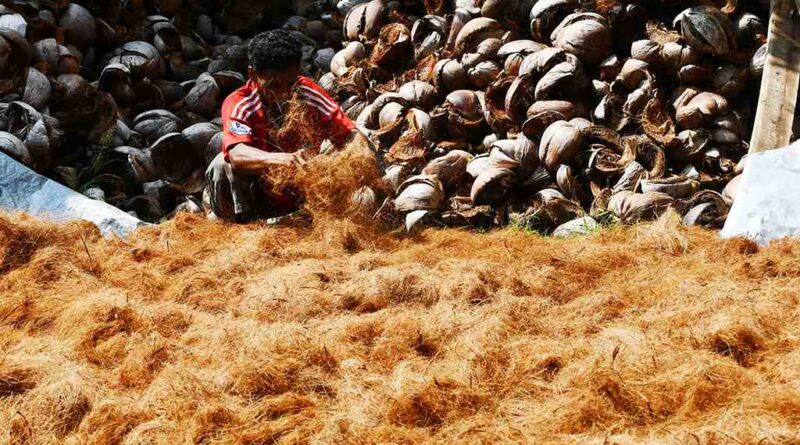
Coconut Fiber Uses, versatility and eco friendly characteristics
Coconut, often hailed as the “tree of life,” provides an abundance of versatile resources. Among these, coconut fiber stands out as a remarkable material with a myriad of applications. Harvested from the husk of coconuts, this natural fiber has gained popularity due to its sustainability, strength, and eco-friendly properties. In this comprehensive guide, we delve into the diverse uses of coconut fiber, exploring its applications in various industries and its contribution to a greener planet.
Also Read: Information about coconut fiber at home home coir
Unraveling the Wonders of Coconut Fiber: A Comprehensive Guide to Its Uses
The Extraction Process
Let’s examine the process of extracting coconut fiber before moving on to its applications. Coconuts are first husked, or the outer shell removed to reveal the inner husk, to start the process. The next step, called retting, involves immersing the husk in water for several months, which helps to separate the fiber from the coir pith. The coconut fiber is ready for usage following a complete cleaning and drying process.
Agricultural Applications
Mulching Material: In agriculture, coconut fiber is a great mulching material. Its ability to hold onto moisture improves general soil health, inhibits weed growth, and helps control soil temperature. Coconut fiber is used by farmers all over the world as a sustainable substitute for conventional mulching materials.
Control of Soil Erosion: Because coconut fiber is robust and long-lasting, it is used to prevent soil erosion. To stop soil erosion and encourage the growth of plants, slopes and embankments are covered with erosion control blankets composed of coconut fiber. In gardening and environmental restoration projects, this environmentally beneficial option is frequently accepted.
Construction Industry Coconut Fiber Uses
Geotextiles: Coconut fiber geotextiles are increasingly being utilized in the construction industry. These geotextiles provide stabilization to soil, preventing erosion and promoting vegetation growth. The natural strength of coconut fiber makes it an ideal choice for reinforcing soil in various construction projects.
Coconut Coir Matting: Coconut coir matting, derived from coconut fiber, is used as a natural and biodegradable alternative to traditional floor coverings. Its resilience to moisture and wear makes it a popular choice for doormats, rugs, and carpet underlay. The construction industry values coconut coir matting for its durability and sustainable characteristics.
Horticulture and Gardening
Coconut Coir as a Growing Medium: One of the most well-known uses of coconut fiber is as a growing medium in horticulture. Coconut coir, also known as coco coir, is an excellent substitute for peat moss. Its water retention capacity and aeration properties make it an ideal medium for seed germination, hydroponics, and container gardening.
Coconut Coir Pots: Innovative horticulturists have embraced coconut coir pots as an eco-friendly alternative to plastic pots. These biodegradable pots provide a sustainable option for starting seeds and growing seedlings. Once the plants are ready for transplantation, the entire coconut coir pot can be planted directly into the soil, reducing transplant shock.
Textile and Fashion Industry
Coconut Fiber Fabric: The textile industry has taken notice of coconut fiber’s potential as a sustainable fabric. Blending coconut fiber with other natural fibers creates a fabric that is not only eco-friendly but also possesses anti-bacterial and anti-fungal properties. Coconut fiber fabric is used in clothing, accessories, and even upholstery, contributing to the growing trend of sustainable fashion.
Coconut Fiber Footwear: Innovative designers are incorporating coconut fiber into footwear production. Shoes made from coconut fiber are lightweight, breathable, and environmentally friendly. The use of coconut fiber in footwear aligns with the global shift towards sustainable and cruelty-free fashion.
Home and Lifestyle
Coconut Fiber Bedding: The bedding industry has recognized the comfort and sustainability of coconut fiber. Mattresses and pillows made with coconut fiber provide natural ventilation, moisture-wicking, and hypoallergenic properties. These eco-friendly bedding options cater to consumers seeking sustainable alternatives for a healthier lifestyle.
Coconut Fiber Crafts: Artisans around the world use coconut fiber in crafting various products, including baskets, mats, and sculptures. The versatility of coconut fiber allows for intricate and aesthetically pleasing designs. This promotes sustainable livelihoods for communities that rely on traditional crafts.
Environmental Benefits
Biodegradability: One of the most significant advantages of coconut fiber is its biodegradability. Unlike synthetic materials that contribute to environmental pollution, products made from coconut fiber decompose naturally, minimizing their impact on ecosystems.
Biodegradability: One of the most significant advantages of coconut fiber is its biodegradability. Unlike synthetic materials that contribute to environmental pollution, products made from coconut fiber decompose naturally, minimizing their impact on ecosystems.
Challenges and Future Prospects
While coconut fiber presents numerous advantages, there are challenges to address, such as limited scalability, transportation costs, and competition with synthetic materials. However, ongoing research and innovation are exploring ways to overcome these hurdles, ensuring a more sustainable and widespread use of coconut fiber in various industries.
Conclusion coconut fiber uses
In conclusion, coconut fiber’s versatility and eco friendly characteristics make it a valuable resource in numerous industries. From agriculture to fashion, construction to horticulture, coconut fiber has found its way into diverse applications, contributing to a more sustainable and environmentally conscious world. As we continue to explore innovative uses and address challenges, coconut fiber stands as a testament to the potential of natural, renewable materials in shaping a greener future.