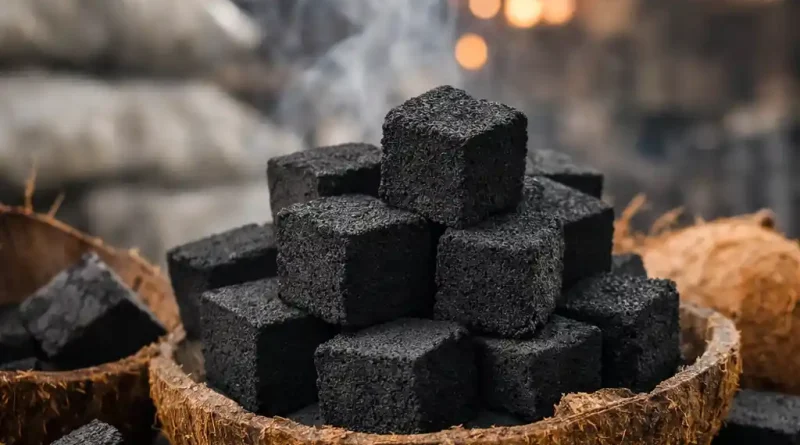
Understanding Coconut Shell Charcoal and Its Bulk Price
Coconut shell charcoal has become an increasingly popular choice in various industries due to its high carbon content, eco-friendliness, and versatility. Derived from the hard shells of coconuts, this type of charcoal offers a sustainable alternative to traditional wood charcoal. Businesses and consumers alike are now paying attention to coconut shell charcoal bulk price as a key factor in sourcing materials efficiently.
What is Coconut Shell Charcoal?
Coconut shell charcoal is produced by carbonizing the shells of coconuts at high temperatures. The result is a dense, high-quality charcoal that burns longer and produces less smoke compared to conventional charcoal. Its superior calorific value makes it suitable for use in grilling, industrial processes, and even as a raw material for activated carbon production.
One of the main advantages of coconut shell charcoal is its environmental impact. Unlike wood charcoal, which contributes to deforestation, coconut shells are an agricultural byproduct, making this type of charcoal a renewable resource. Additionally, coconut shell charcoal generates less ash and maintains consistent heat, which is beneficial for both cooking and industrial applications.
Factors Affecting Coconut Shell Charcoal Bulk Price
The bulk price of coconut shell charcoal can vary depending on several factors. Understanding these can help businesses make informed purchasing decisions.
-
Quality and Carbon Content: Higher-quality charcoal with a higher carbon content typically commands a higher bulk price. Premium coconut shell charcoal is durable, produces more heat, and burns cleaner, making it ideal for industrial and culinary use.
-
Quantity Purchased: Like many commodities, buying in larger quantities can reduce the per-unit price. Suppliers often offer discounts for bulk purchases, which can significantly impact the overall cost for businesses that require large volumes.
-
Processing Methods: Charcoal that has undergone additional processing, such as grinding or activation for use in filters, will generally be priced higher than raw charcoal.
-
Supply and Demand: Seasonal availability and global demand for sustainable charcoal also influence bulk prices. During peak seasons, prices may rise due to increased demand from barbecue enthusiasts and industrial buyers alike.
-
Logistics and Shipping: Transportation costs, import/export duties, and storage can add to the final bulk price. Buyers need to consider these factors when comparing suppliers.
Benefits of Buying in Bulk
Purchasing coconut shell charcoal in bulk can be advantageous for several reasons. Firstly, it ensures a consistent supply of high-quality charcoal, which is essential for businesses that rely on uninterrupted production or service. Secondly, bulk buying often reduces costs per kilogram, providing better value for money. Finally, bulk purchases are more environmentally friendly, as they reduce packaging waste and frequent shipping.
Choosing a Reliable Supplier
When sourcing coconut shell charcoal, it’s crucial to choose a reputable supplier. Reliable suppliers provide consistent quality, clear specifications, and competitive bulk prices. They may also offer certifications that confirm sustainable sourcing and adherence to environmental standards. For large-scale procurement, check the coconut shell charcoal wholesale price to compare and negotiate better deals.
For additional tips and resources on using coconut shell charcoal in cooking and other applications, visit resepimasakan.net.
Conclusion
Coconut shell charcoal is not only a sustainable and efficient fuel source but also a versatile product for various applications. Understanding the factors that affect coconut shell charcoal bulk price can help businesses and consumers make informed decisions while optimizing cost and quality. As demand for eco-friendly alternatives grows, investing in coconut shell charcoal in bulk is a smart choice for both economic and environmental benefits.